


Ana Ruth Herrera, Michael Vorbeck
Peaceful society and the respect of human rights has been a major aim since decades and nowadays seems even more difficult to achieve in view of growing migration.
In last decades, globalisation as well as increasing flows of migration have led to a multicultural dimension of society, although not everyone is prepared to accept this reality. Mass emigration has increased due to poverty, armed conflicts, natural diseases, change of climate, etc.
This situation requires to recall the respect of human rights and strong efforts in favour of peaceful co-existence and social cohesion. Every person regardless of its origin, race, religion, sex etc. is entitled to integral development (creative, intellectual, artistic, sports, etc).
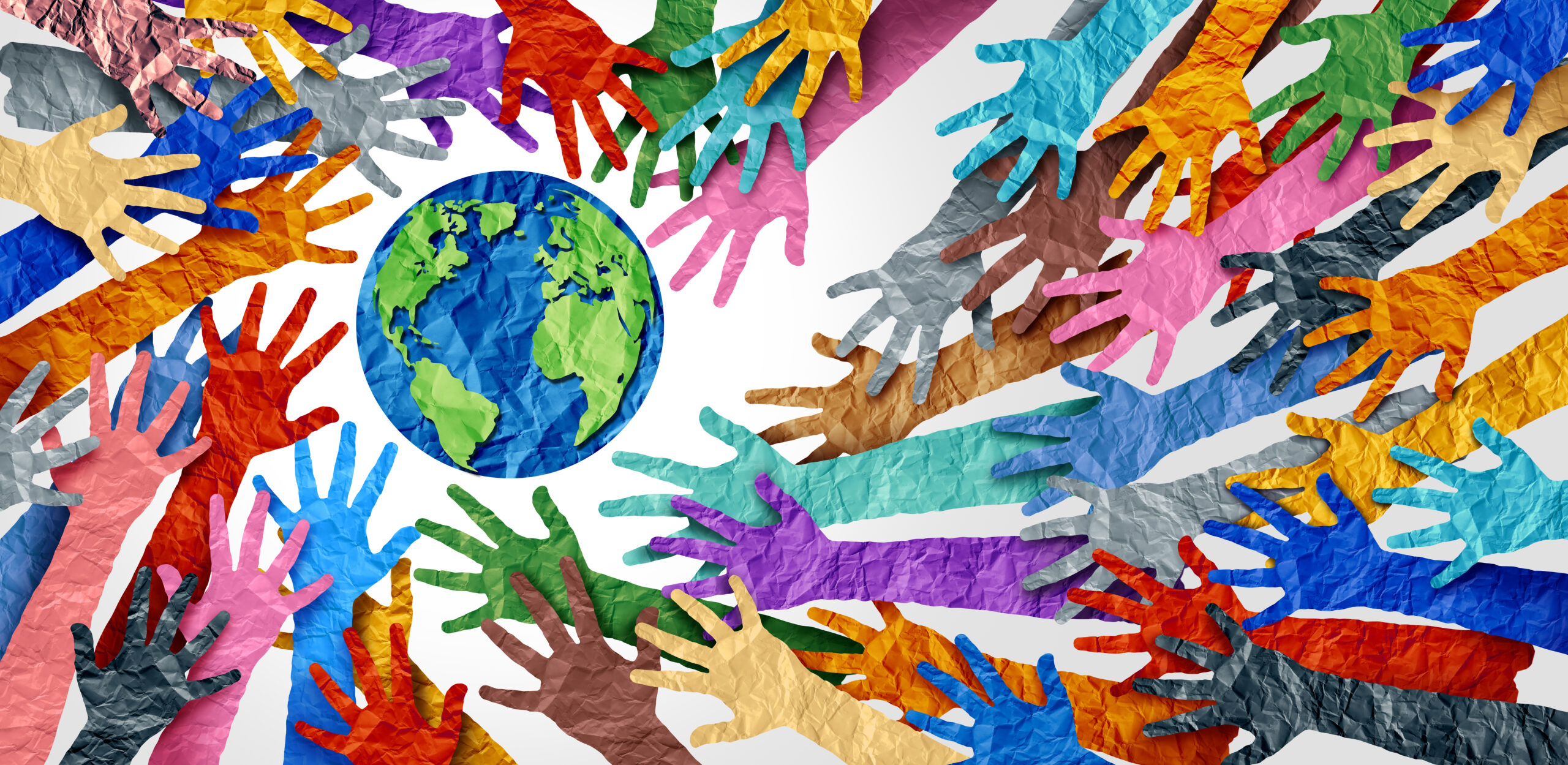
People tend to forget horrors such as those provoked by the Second World War having caused increased efforts to build up a more peaceful world where all nations and groups are living together in co-operation. As a result the United Nations- with UNESCO for education and culture – were created in 1945 and the Universal Declaration of Human Rights was adopted in 1948, followed in 1949 by the setting up of the Council of Europe with its European Human Rights Convention in 1950. Later the European Economic Community – now called the European Union – was set up.
Unfortunately some countries as well as many populist political parties are sceptical with regard to increased regional or international co-operation and integration, rejecting the idea of supranational organisations such as EU – which the United Kingdom has left (Brexit). Many seem to prefer splendid isolation based on presumed earlier national glorious history.
Nevertheless, globalisation will continue and people will have to face international contacts and problems. All this urgently requires greater multicultural and international dimension in school, higher and adult education. In other words, worldwide multicultural education is not only to be stressed during the first years of life, but it should be a continuous effort, adapted to local particularities and considering global needs.
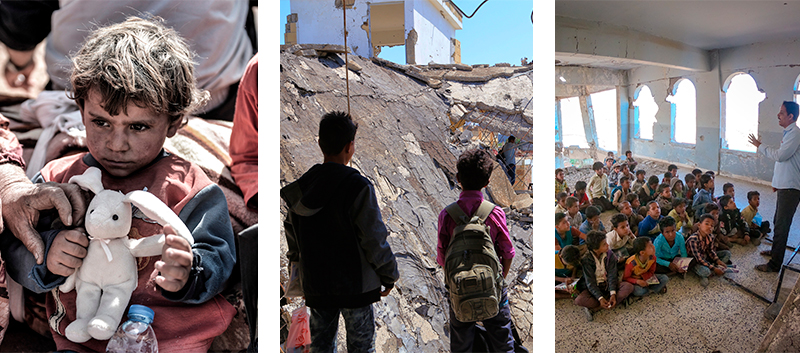
As a matter of fact, education and the right to education are an important tool for achieving a more equal society. Besides, the right to education is linked to other rights: right to integrity, right to dignity, freedom, equity, etc. One might even claim a right to peace, taking into account the side effects of wars and the enormous loss of human lifes.
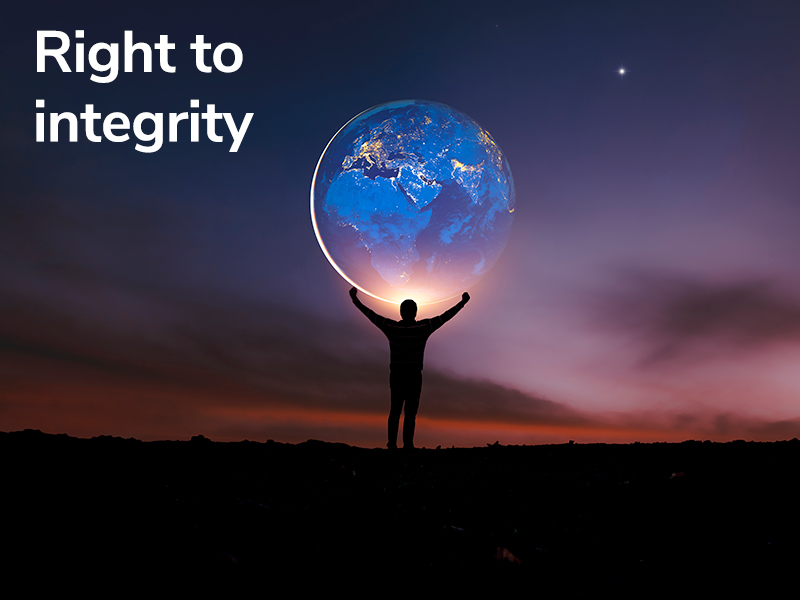
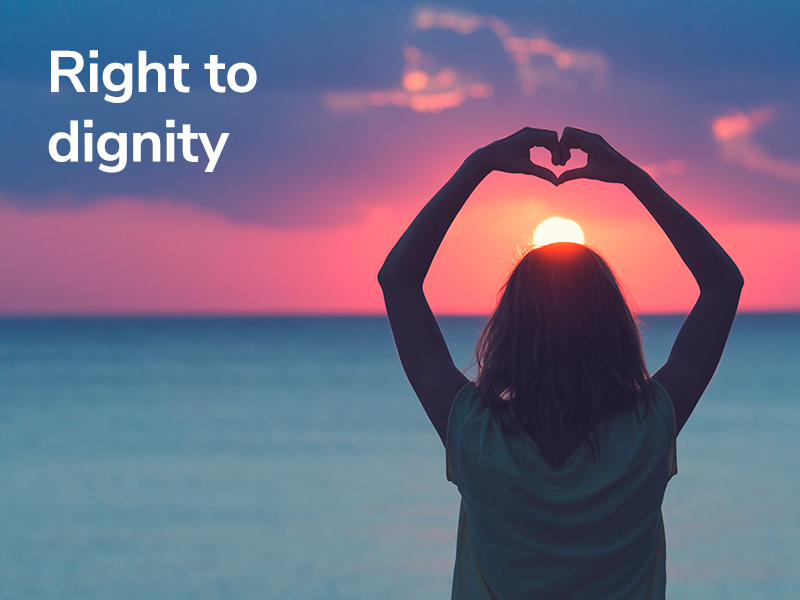
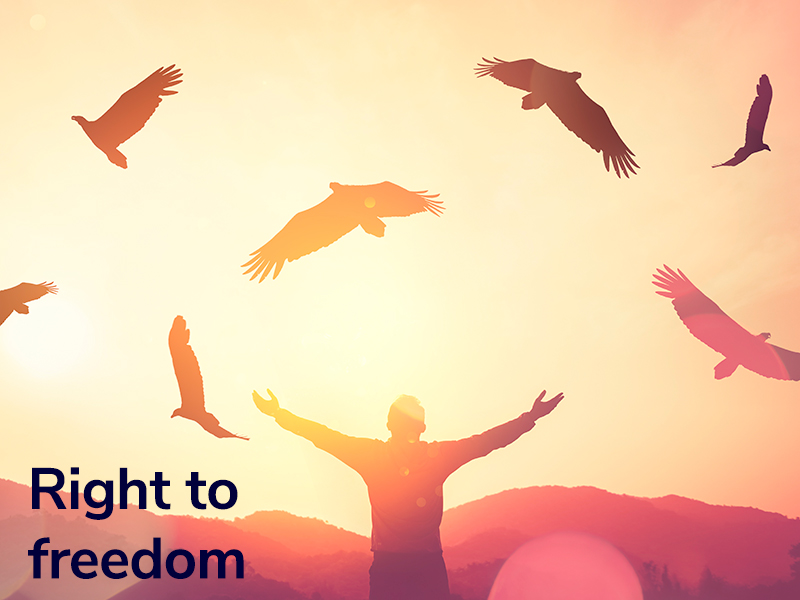
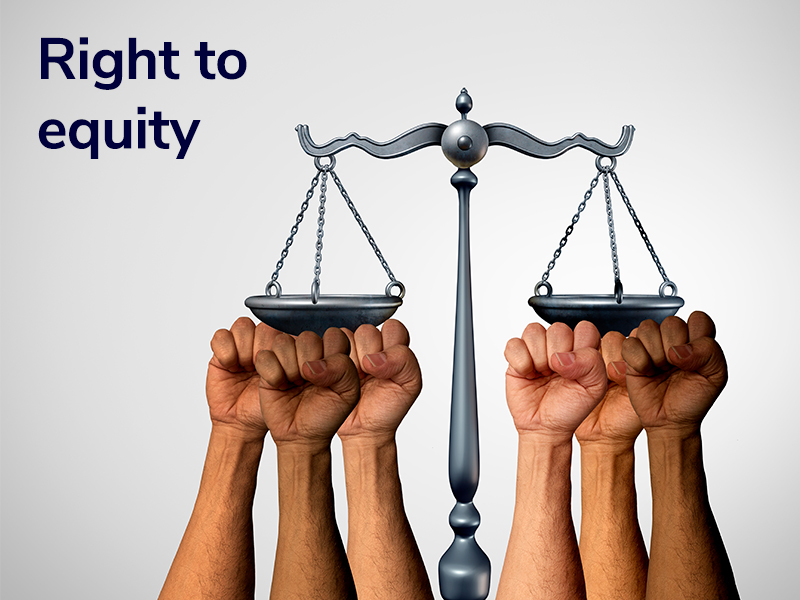
Education should try to identify and highlight common values to promote respect and multicultural tolerance, awareness of common heritage, opening towards the outside world (a global human vision -historic, cultural, among others domains- and including the use of new technologies).
To achieve all this, we have to promote tolerance, respect, empathy, responsibility, a new form of HUMAN SENSITIVITY and CONSCIOUSNESS, with a slogan of unity in diversity and joining efforts of all countries to solve the great problems of humanity.